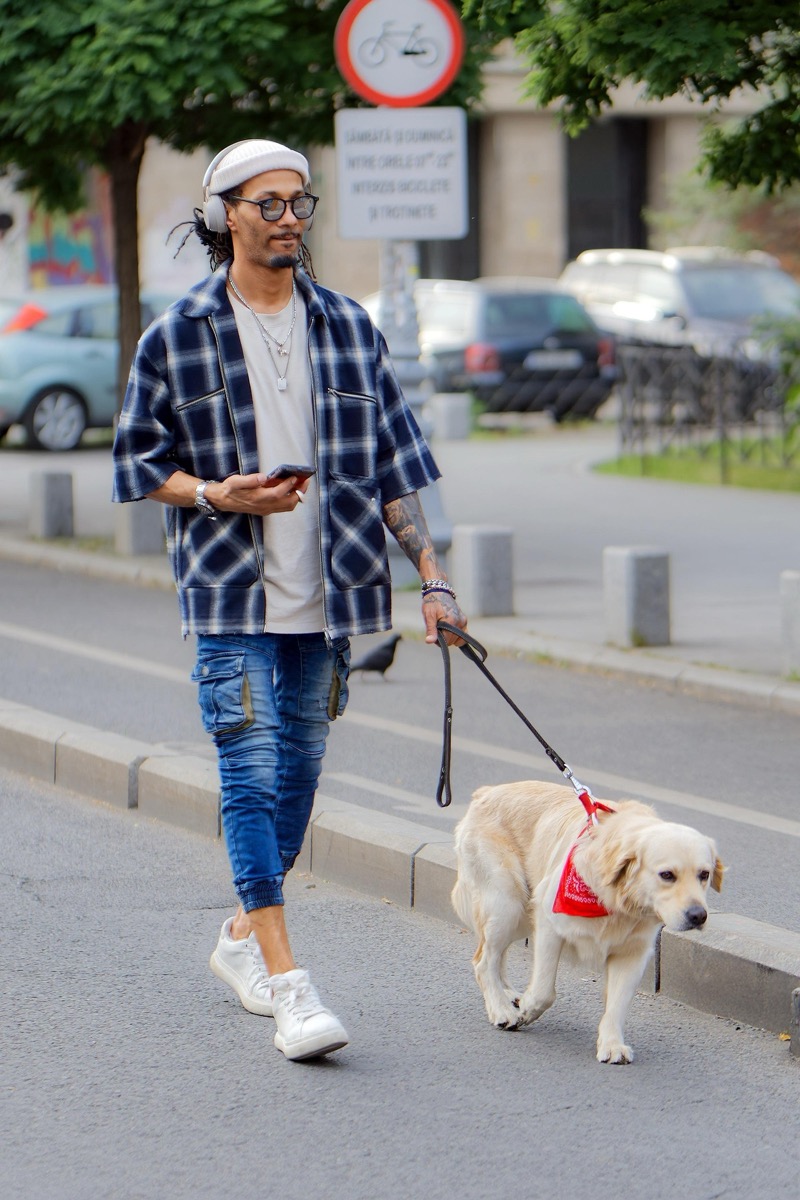
Life in Santa Clara is its own thing. One minute you're navigating the tech-heavy Great America corridor, and the next you're walking through the quiet streets near Santa Clara University. Our dogs are right there with us, but Silicon Valley's pace can be a lot for a four-legged friend. If you've ever tried to keep your dog calm while a crowd pours out of Rivermark Village, you know that a well-behaved pup isn't a luxury; it's just how you survive the South Bay without losing your mind.
When you start looking for a dog trainer Santa Clara, it usually begins with a frantic Google search while you're caffeinating on El Camino. You don't just need someone to teach "sit" or "stay." You need someone who gets why your Border Collie loses it when the Caltrain whistles or why your Bulldog refuses to budge on the San Tomas Aquino Creek Trail. It's personal. You're looking for a coach who can actually help you talk to your dog in a city that never really slows down.
Choose a Dog Trainer Santa Clara Who Uses Science, Not "Alpha" Myths
In this town, we're surrounded by engineers and scientists, so it makes sense to apply that same logic to our dogs. For way too long, "old school" trainers leaned on corrections, dominance, and a lot of leash yanking. But things have changed. Most reputable pros in the Bay Area now focus on positive reinforcement and force-free methods. This isn't just about being "nice"; it's about neurobiology. You want to reward the stuff you like rather than just scaring your dog out of the stuff you don't. This builds a bond that actually holds up when stuff gets hectic.
Before you commit, ask about their "teaching toolbox." If they start talking about "alpha roles" or "showing the dog who is boss," walk away. Those theories were debunked years ago. A solid Santa Clara dog trainer will talk about motivation and environment management instead. They should have a plan for how to handle a dog that's distracted by traffic or leash-reactive at Central Park. You want a trainer who sees your dog as a partner, not a subordinate.
We love efficiency in Silicon Valley, but you can't "disrupt" dog behavior overnight. The "move fast and break things" mantra is a disaster for dog training. Real change takes patience. The best trainers around here spend as much time teaching you as they do the dog. After all, you're the one who has to live with them 168 hours a week. You want a pro who empowers you to read your dog's body language so you can stop a meltdown before it starts.
Think about where the work happens, too. Some facilities near the San Jose border are great for quiet, foundational sessions. Others want to meet you at Pierre Huyng Park or in your own backyard in the Old Quad. A mix is usually best. You start where it's quiet so the dog can actually think, then you move to the noisy, real-world spots where you actually spend your time. If a trainer only works in a sterile room, your dog might be a star there and a mess the second you hit Lawrence Expressway.
Vetting the Pros: Red Flags to Watch For
The dog training world is a bit of a Wild West. Anyone can print a business card and call themselves an expert. Since you're already doing the research, apply the same scrutiny you'd use for a new hire at work. A huge red flag? Guarantees. If someone promises a "100% fixed dog" in two weeks, they're lying to get your deposit. Behavior is messy and unpredictable. Real progress is incremental and depends on whether you actually do the homework.
Another warning: lack of transparency. If a trainer won't let you watch or talks about "secret" methods behind closed doors, run. Valid pros are proud of what they do and can explain the "why" behind every treat or correction. Flashy Instagram videos of dogs doing backflips are fun, but the real test is how a trainer helps a terrified rescue dog feel safe in a North Santa Clara condo.
Look for certifications from the CCPDT or IAABC. These aren't just letters; they mean the person actually studied behavior and follows a code of ethics. Also, talk to the locals. Ask your neighbors at the Reed Street Dog Park or your vet for their honest take. A solid reputation built over years of helping Santa Clara families beats a fancy ad campaign every time.
Making Training Work for the South Bay Life
We're a city of commuters and tech-hour workers. Our dogs often spend a lot of time waiting for us to get home from the 101. A local trainer who knows this will help you set up mental stimulation routines to stop your dog from eating the drywall out of boredom. They'll point you toward reliable dog walkers or enrichment toys that keep your pup busy while you're at the office.
Our weather matters, too. In the summer, your trainer should be giving you tips for indoor games or early morning sessions at Ulistac Natural Area to avoid the midday heat. They should also help with social "fluency." We have plenty of dog-friendly patios, but it's only fun if your dog can settle under the table without eyeing someone's burger. That's the goal: a dog that can actually go places with you.
The "best" trainer isn't just the one with the most followers; it's the one who makes you feel like you've finally got a handle on things. Whether you're walking past the mansions near the Triton Museum or the modern blocks of Santa Clara Square, the effort pays off. Training doesn't really "end"; it just becomes part of your life. Find a pro who aligns with your values, and you'll find that living in the heart of Silicon Valley with a dog is a whole lot more fun.