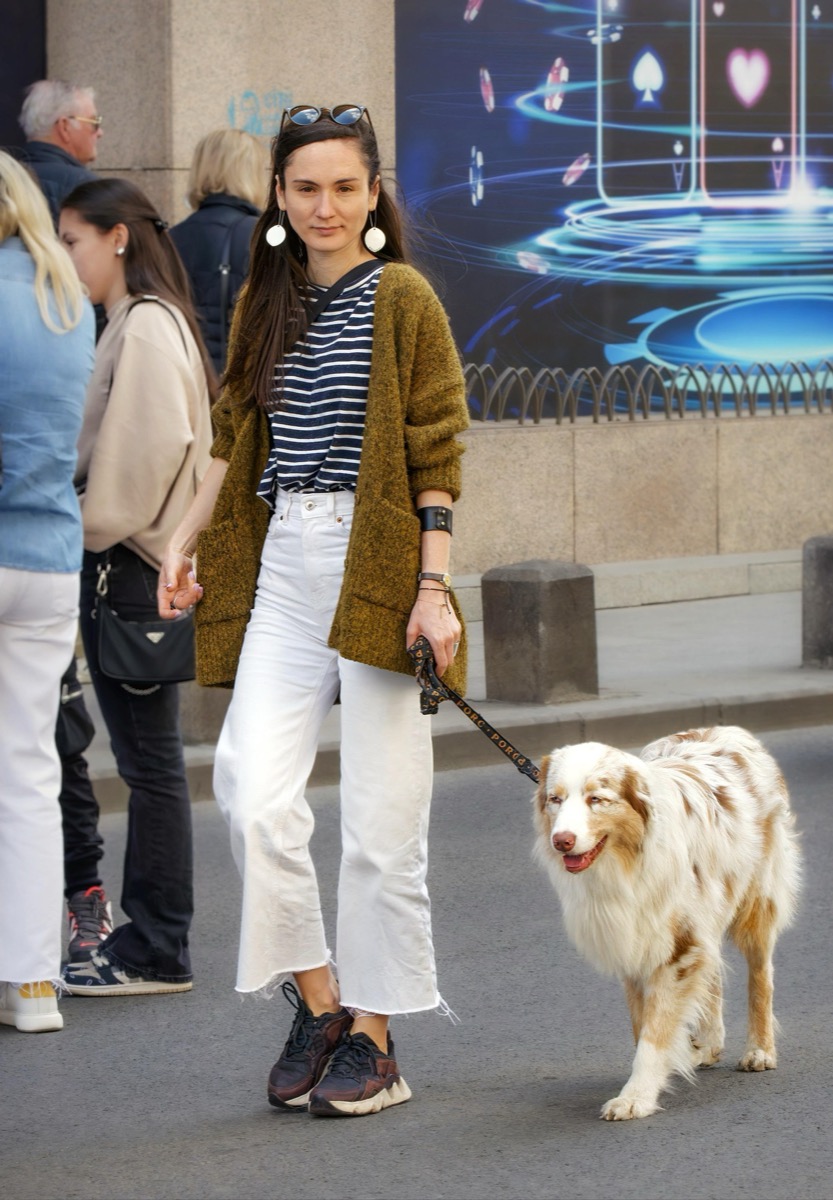
Living in Santa Clara is a weird mix of old-school suburban quiet and high-tech noise. One minute you're walking past the historic adobe walls of Santa Clara University, and the next you're dodging a tech commuter on a motorized scooter near Great America. For dog owners, this isn't just "scenery"; it's a series of training hurdles. If you want a dog that can actually handle Silicon Valley life, you have to move past the basic "sit" and "stay" and focus on how they react to the specific rhythms of this city.
The reality of Santa Clara dog training
Most dog training in Santa Clara starts in the quiet pockets like Old Quad or Rivermark. These neighborhoods are great for teaching basic leash manners, but they don't prepare a dog for the sensory overload of El Camino Real. I've seen plenty of "perfect" suburban dogs lose their minds the first time they encounter the heavy pedestrian traffic near a tech campus. Real-world Santa Clara dog training requires exposing your dog to these environments early and often. Every walk is a chance to teach them that a squirrel in the driveway is one thing, but a crowded commute is another entirely.
The "commuter culture" here is a major stressor. Between the Caltrain stations and constant traffic, dogs in Santa Clara deal with a lot of mechanical noise. If your dog flinches at a bus air brake or the whistle of a train, you're going to have a hard time getting around. I recommend hanging out near the tracks or busy intersections with a pocket full of high-value treats. You want your dog to associate that train whistle with a reward, not a reason to bolt. This kind of desensitization is what makes the difference between a stressed pet and a confident companion.
Managing distractions at Central Park and Ulistac
Santa Clara has some great green spaces, but they require different skill sets. Central Park is basically the "final boss" of distraction management. It's full of families, picnics, and rogue soccer balls. This is where puppy training in Santa Clara gets put to the test. It's easy for a dog to ignore a toy in your living room, but ignoring a dropped hot dog near the playground is a different story. Start your training in the quiet corners near the Community Recreation Center and only move toward the busy meadows once your dog is actually listening to you.
The Ulistac Natural Area is the opposite. There aren't many crowds, but there are plenty of migratory birds and wildlife. If your dog has a high prey drive, those wetland scents are better than any treat you're carrying. Training here is all about recall and constant "check-ins." You need your dog to keep one eye on you even when a lizard rustles in the brush. I like to practice frequent changes in pace and direction here; it keeps the dog guessing and ensures they're paying more attention to your movement than the local ecosystem.
The Levi's Stadium factor
If you live near Great America or Levi's Stadium, game days change everything. The crowds, the smell of tailgates, and the occasional flyover can be a lot for a dog to swallow. If you're going to walk your dog here during an event, they need to be rock-solid at walking in "tight quarters." This means a strict heel where they aren't sniffing random legs or vacuuming up discarded stadium food.
My advice? Visit the stadium plaza on a Tuesday when it's empty. Let them get used to the massive concrete structures and the weird echoes. If it's clear your dog can't handle the gameday chaos, don't force it. Sometimes the best training decision is knowing your dog's threshold and heading for a quiet walk along the San Tomas Aquino Creek Trail instead. True mastery of dog training in Santa Clara is knowing when to push and when to pivot.
The Silicon Valley office dog
Since we're in the heart of the tech world, many local companies allow dogs. But a "tech dog" needs more than just a cute collar. They need to handle elevators, the hum of server rooms, and the ability to stay under a desk for four hours without making a scene. This is where the "place" command becomes your best friend. Practice at home by having your dog stay on a specific mat while you vacuum or host guests.
You also need to train for "neutrality." In a Santa Clara office, a dog that lunges to greet every coworker or barks at the DoorDash guy is a liability. You want a dog that acknowledges a person and then looks back at you for direction. That quiet confidence is what gets your dog invited back for the next sprint.
Suburban etiquette and final thoughts
Even around Santa Clara University or the ranch homes in Ponderosa Park, the little things matter. Simple habits, like stopping at every curb and staying quiet when the neighbor's dog barks, keep the peace in a densifying city. As backyards get smaller, we all have to share the same spaces. Training your dog to be a respectful neighbor isn't just about "obedience"; it's about making sure everyone can enjoy the Mission City together. Whether you're hitting the tech corridors or the nature trails, a well-trained dog is your ticket to everything this city has to offer.